Finding the Vital Applications of Light Weight Aluminum Castings Across Numerous Markets
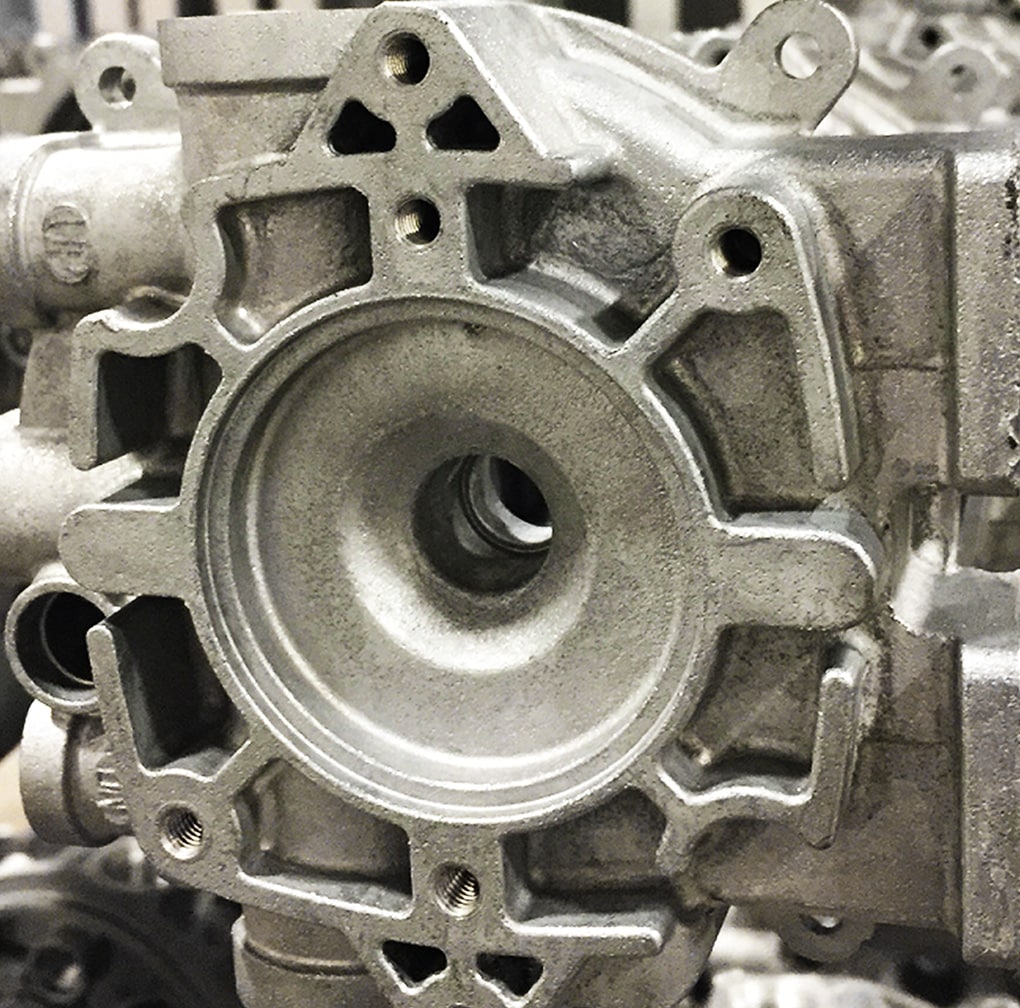
Aluminum spreadings play a vital duty in numerous industries. Their light-weight and durable features add to technologies in automotive and aerospace markets. Furthermore, they boost construction stability and consumer product style. As sustainability ends up being a priority, the ecological benefits of light weight aluminum castings even more highlight their value. Understanding the substantial applications of this product can reveal understandings right into modern-day production methods. What specific developments are being made in these different fields?
Automotive Market Innovations

Furthermore, aluminum spreadings play a crucial duty in electric vehicles, where weight decrease is critical for battery effectiveness. With the integration of aluminum in engine blocks, transmission real estates, and architectural parts, car manufacturers can accomplish remarkable toughness while keeping peak performance. As the demand for sustainable and effective cars grows, the automotive sector proceeds to embrace aluminum spreading developments, positioning itself at the forefront of technical improvements and environmental obligation.
Aerospace Advancements
While the aerospace market continuously looks for ways to boost efficiency and effectiveness, innovations in light weight aluminum spreadings have arised as an important variable in accomplishing these goals. The light-weight nature of aluminum substantially adds to sustain efficiency, reducing overall airplane weight without jeopardizing architectural stability. Developments in casting methods, such as die spreading and financial investment casting, permit elaborate designs that boost aerodynamics and efficiency.
Additionally, innovations in metallurgy have actually improved the toughness and corrosion resistance of light weight aluminum alloys, making them appropriate for numerous aerospace applications, including engine parts and fuselage structures. The capacity to produce complicated shapes lowers the variety of parts called for, simplifying assembly procedures and minimizing upkeep demands. As aerospace makers significantly transform to aluminum castings, they are discovering that these improvements not just drive operational effectiveness however additionally sustain sustainability objectives through decreased energy usage throughout flight.
Building Applications
Aluminum castings play a critical role in the building and construction sector, offering a combination of toughness, resilience, and light-weight residential properties that boost structural integrity. Metal Castings. These spreadings are made use of in a selection of applications, consisting of home window structures, door structures, and roof covering systems, where their resistance to deterioration and weathering is specifically advantageous. Furthermore, aluminum spreadings add to power performance, as their light-weight nature decreases the overall tons on frameworks, assisting in much easier transportation and setup
Additionally, the flexibility of light weight aluminum enables intricate geometries and elaborate designs, conference visual demands without endangering architectural performance. In seismic areas, light weight aluminum castings can be used in vital architectural parts, supplying significant benefits concerning flexibility and strength. On the whole, making use of aluminum castings in building not just enhances the performance of structures but also sustains sustainable building techniques by allowing making use of recyclable products in construction jobs.
Durable Goods Production
In consumer items producing, aluminum castings play an essential role in lightweight item style, enabling easier handling and boosted effectiveness. Their boosted toughness features add to the longevity and dependability of everyday items. This mix of benefits makes light weight aluminum a preferred product in the competitive durable goods market.
Light-weight Product Layout
As manufacturers significantly prioritize performance and sustainability, lightweight item design has become a critical aspect of customer items advancement. The integration of light weight aluminum spreadings enables designers to produce products that are not only lighter but additionally much more energy-efficient. This reduction in weight adds to lower transport prices and improved individual experience, as consumers progressively look for easier-to-handle items. Furthermore, lightweight designs assist in cutting-edge looks, enabling brand names to separate themselves in a competitive market. The flexibility of light weight aluminum permits elaborate shapes and types, boosting overall style flexibility. Subsequently, light-weight item design is becoming necessary for firms intending to satisfy modern-day consumer needs while sticking to environmental factors to consider. This fad is improving just how items are conceived and manufactured throughout numerous fields.
Boosted Longevity Functions
While modern customers demand products that are both light-weight and visually pleasing, boosted longevity attributes have become equally vital in consumer goods manufacturing. Light weight aluminum castings use exceptional strength-to-weight proportions, enabling producers to produce items that withstand day-to-day deterioration. The integral deterioration resistance of light weight aluminum assurances that items maintain their appearance and you could check here capability gradually, reducing the demand for regular replacements. Additionally, casting methods enable the manufacturing of seamless designs that boost structural honesty. As a result, manufacturers can deliver durable goods that not just meet efficiency expectations however also give durability. This focus on longevity not only enhances consumer fulfillment however likewise lines up with sustainability goals by decreasing Recommended Site waste and promoting liable consumption.
Electrical and Electronic Devices Sector
The electrical and electronic devices field increasingly relies on light weight aluminum castings for their light-weight, sturdy, and very conductive properties. These castings are important in making various elements, consisting of housings, enclosures, and warm sinks. Their reduced density permits reduced overall weight in electronic gadgets, enhancing mobility without jeopardizing efficiency. In addition, aluminum's exceptional thermal conductivity is crucial for dissipating heat produced by electronic elements, ensuring perfect functioning and durability.
Aluminum castings offer superb deterioration resistance, which is crucial for preserving electronic integrity in various environments. The capability to create complex shapes and intricate layouts through spreading strategies additionally supports advancement in item advancement, allowing manufacturers to fulfill particular technological demands. As the need for energy-efficient and high-performance electronic devices remains to expand, aluminum spreadings are placed as a vital material, facilitating innovations in modern technology throughout the field. Their flexibility and dependability make them important in the modern electric and electronic devices landscape.
Sustainability and Environmental Impact
Acknowledging the expanding worry for environmental sustainability, the aluminum casting industry has actually made significant strides in minimizing its ecological impact. The production of light weight aluminum castings now progressively utilizes recycled products, reducing power consumption and basic material extraction. This change not just conserves sources yet also lowers greenhouse gas discharges related to primary light weight aluminum production.
Furthermore, innovations in technology have resulted in extra efficient casting procedures, better lowering waste and improving energy performance. Several suppliers are embracing sustainable techniques have a peek at this site such as closed-loop systems that reuse water and reduce commercial waste.
Aluminum's light-weight nature enhances fuel efficiency in transportation industries, adding to reduced emissions over the lifecycle of vehicles. As the industry remains to introduce and focus on sustainability, light weight aluminum castings are positioned to play an essential role in promoting environmentally responsible practices throughout numerous fields, straightening with international efforts to fight climate adjustment and promote lasting growth.
Regularly Asked Inquiries
What Are the Conveniences of Light Weight Aluminum Castings Over Other Materials?
Light weight aluminum spreadings use light-weight properties, superb deterioration resistance, and excellent thermal conductivity. Additionally, they allow elaborate designs, lower production prices, and provide boosted longevity, making them helpful compared to standard products like steel or iron.
How Are Light Weight Aluminum Castings Produced?
Light weight aluminum castings are generated through processes like sand spreading, die spreading, and investment casting. Molten aluminum is put into mold and mildews, permitted to cool down, and afterwards eliminated, resulting in specific and resilient parts for different applications.
What Is the Typical Life-span of Aluminum Castings?
The normal lifespan of aluminum spreadings ranges 10 to 50 years, relying on environmental variables, usage problems, and alloy structure. Correct maintenance and care can considerably expand their durability and performance in different applications.
Can Light Weight Aluminum Castings Be Reused?
Yes, light weight aluminum castings can be reused successfully (Aluminum Foundry). The reusing procedure preserves the metal's buildings, making it a sustainable choice for various applications, subsequently contributing to environmental preservation and resource monitoring within numerous sectors
What Industries Are Emerging for Aluminum Casting Applications?
Arising sectors for light weight aluminum casting applications include electrical car production, renewable resource sectors, aerospace advancements, and medical innovation. These fields utilize light weight aluminum's lightweight, durable residential or commercial properties to boost and innovate performance in various products and systems.
While the aerospace industry continuously looks for methods to boost performance and efficiency, developments in aluminum castings have emerged as an important aspect in accomplishing these objectives. Light weight aluminum spreadings play a crucial duty in the building and construction sector, supplying a combination of toughness, durability, and light-weight properties that boost structural integrity. In consumer products manufacturing, aluminum spreadings play a vital role in light-weight product layout, allowing for less complicated handling and improved efficiency. The electric and electronics industry increasingly counts on aluminum castings for their light-weight, sturdy, and extremely conductive properties. Light weight aluminum castings are created through processes like sand spreading, die spreading, and investment spreading.
Comments on “Why Metal Castings continue to be vital in modern production”